
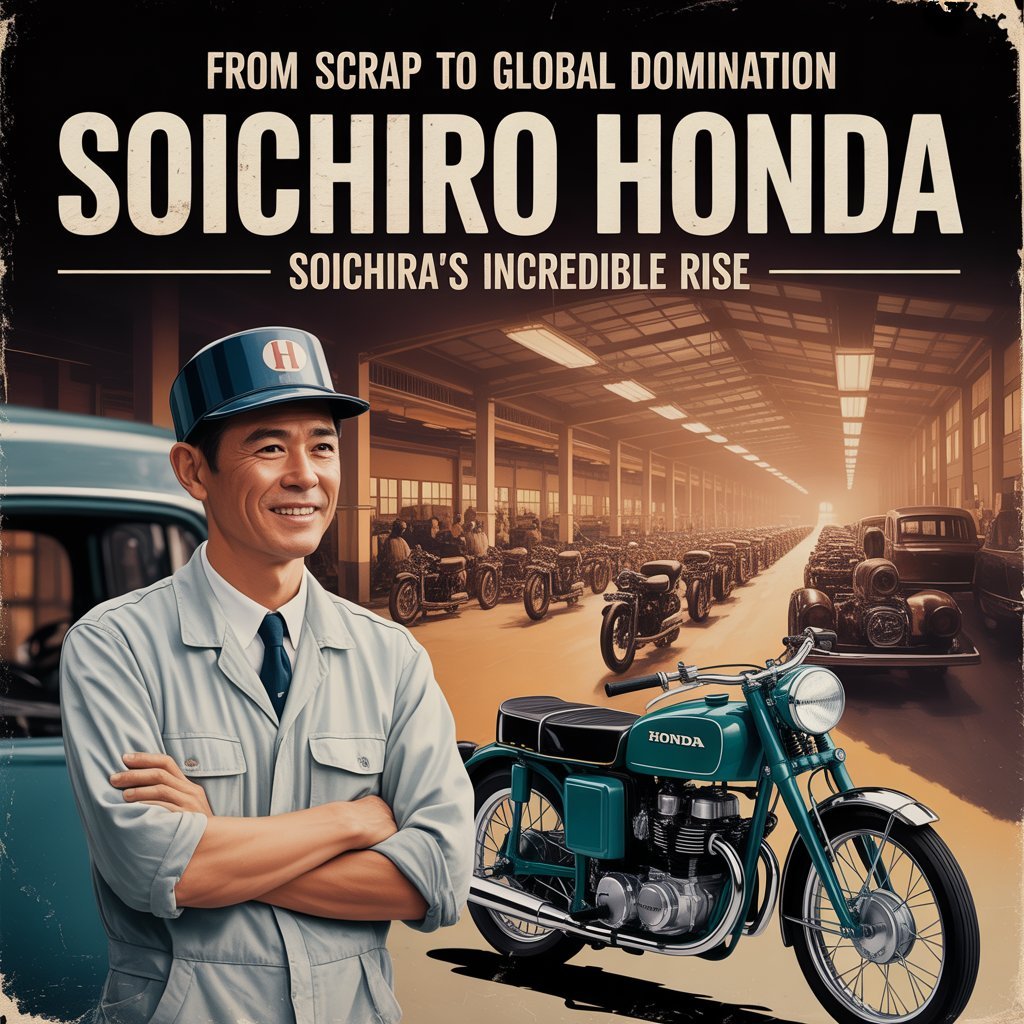
From Scrap to Global Domination, Soichiro Honda’s Incredible Rise
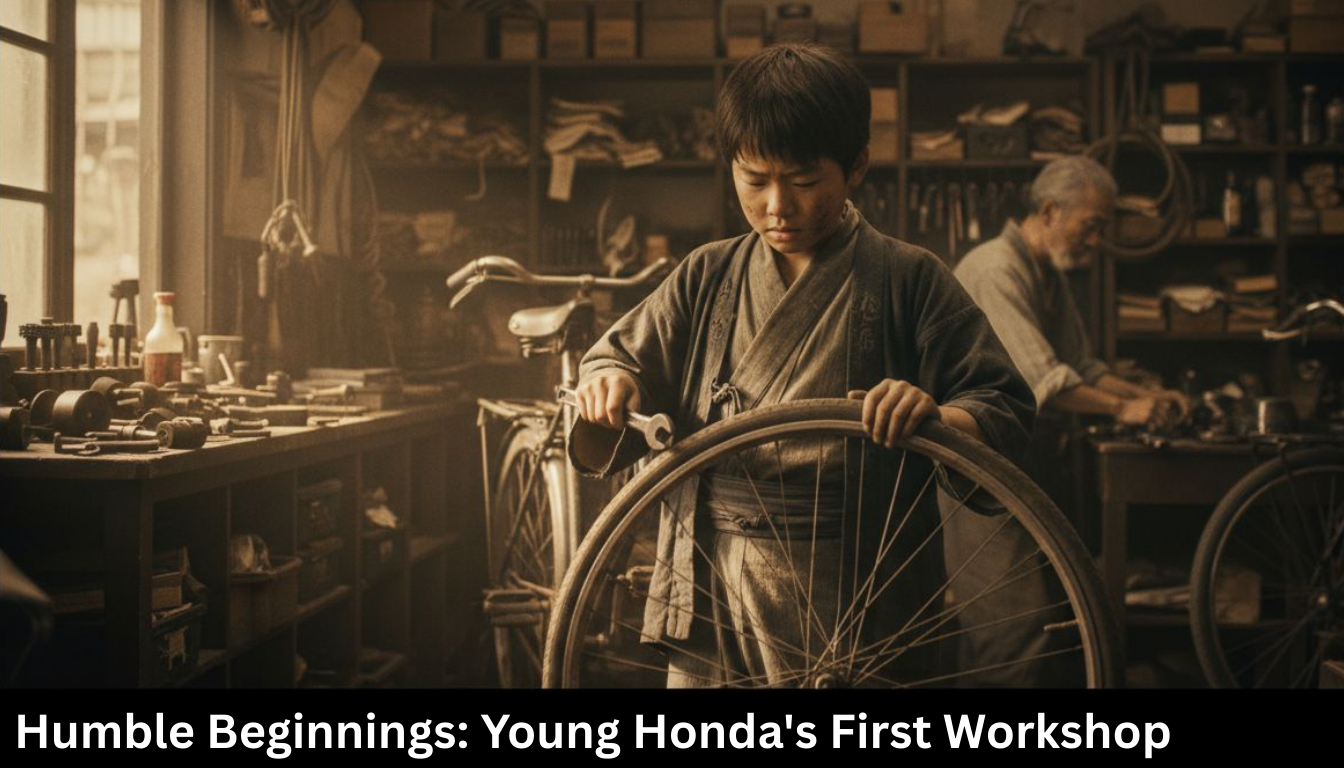
Picture this: a young boy covered in grease, tinkering with bicycle parts in a tiny repair shop. That boy would grow up to build one of the world’s most recognizable brands. But honestly, who would’ve thought that kid would create the Honda empire we know today?
Soichiro Honda’s story isn’t just about cars and motorcycles. It’s about turning dreams into reality, one bolt at a time. Let’s dive into the incredible journey of a man who literally built his success from scrap metal.
The Humble Beginnings: Honda’s Early Life
Born in 1906 in a small Japanese village, Soichiro Honda wasn’t destined for greatness. His father ran a bicycle repair shop, and little Honda spent his childhood watching machines come to life under skilled hands. By the way, this early exposure to mechanics would become the foundation of his empire.
Honda’s fascination with engines began when he first heard a car engine at age eight. The sound captivated him like music to his ears. He didn’t just want to hear engines – he wanted to understand them, improve them, and create something the world had never seen before.
School wasn’t Honda’s strong suit. He preferred the workshop to the classroom, much to his teachers’ frustration. But here’s the thing – sometimes the best education comes from getting your hands dirty, not from textbooks.
At 16, Honda moved to Tokyo to work as an apprentice at Art Shokai, an auto repair shop. This move changed everything. He wasn’t just fixing cars anymore; he was studying them, learning their secrets, and dreaming of building something revolutionary.
Honda’s First Breakthrough: The Piston Ring Revolution
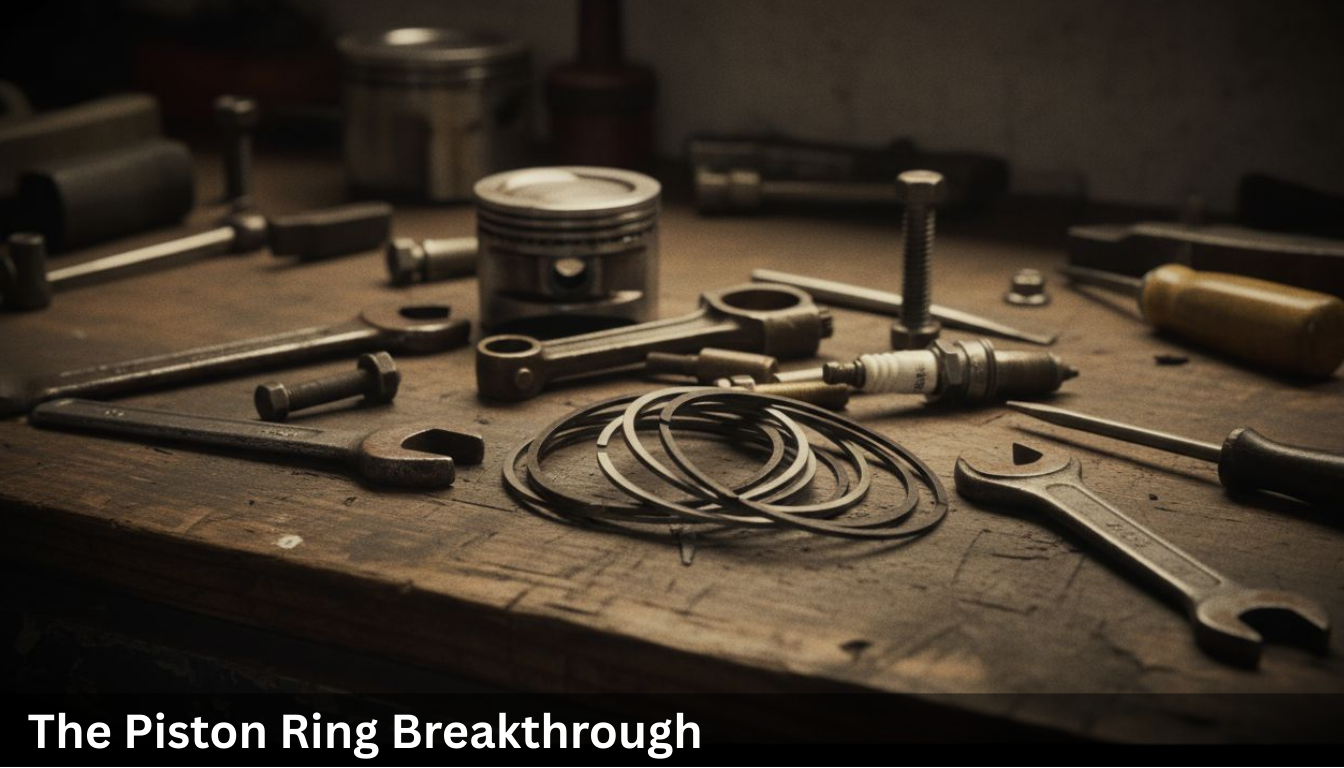
After his apprenticeship, Honda returned home with big dreams and even bigger ambitions. He started his own auto repair business, but that wasn’t enough for his restless mind. Honda wanted to create, not just repair.
His first major invention? Piston rings. Now, this might sound boring to most people, but for Honda, these small metal circles represented everything. He spent countless hours perfecting the design, facing rejection after rejection from major companies like Toyota.
Honda’s Early Struggles (1928-1945)
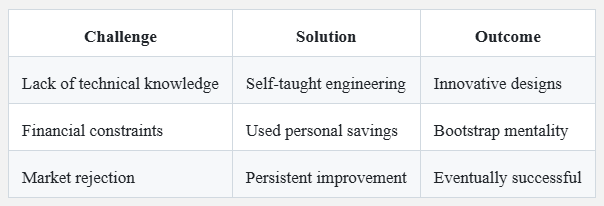
But Honda didn’t give up. He knew his piston rings were superior, and eventually, his persistence paid off. Toyota finally accepted his design, and Honda Piston Ring Research Institute was born.
However, World War II changed everything. The war effort consumed resources, and Honda’s factory was eventually sold to Toyota. Most people would’ve seen this as the end, but Honda? He saw it as a new beginning.
The Post-War Phoenix: Honda Motor Company Emerges
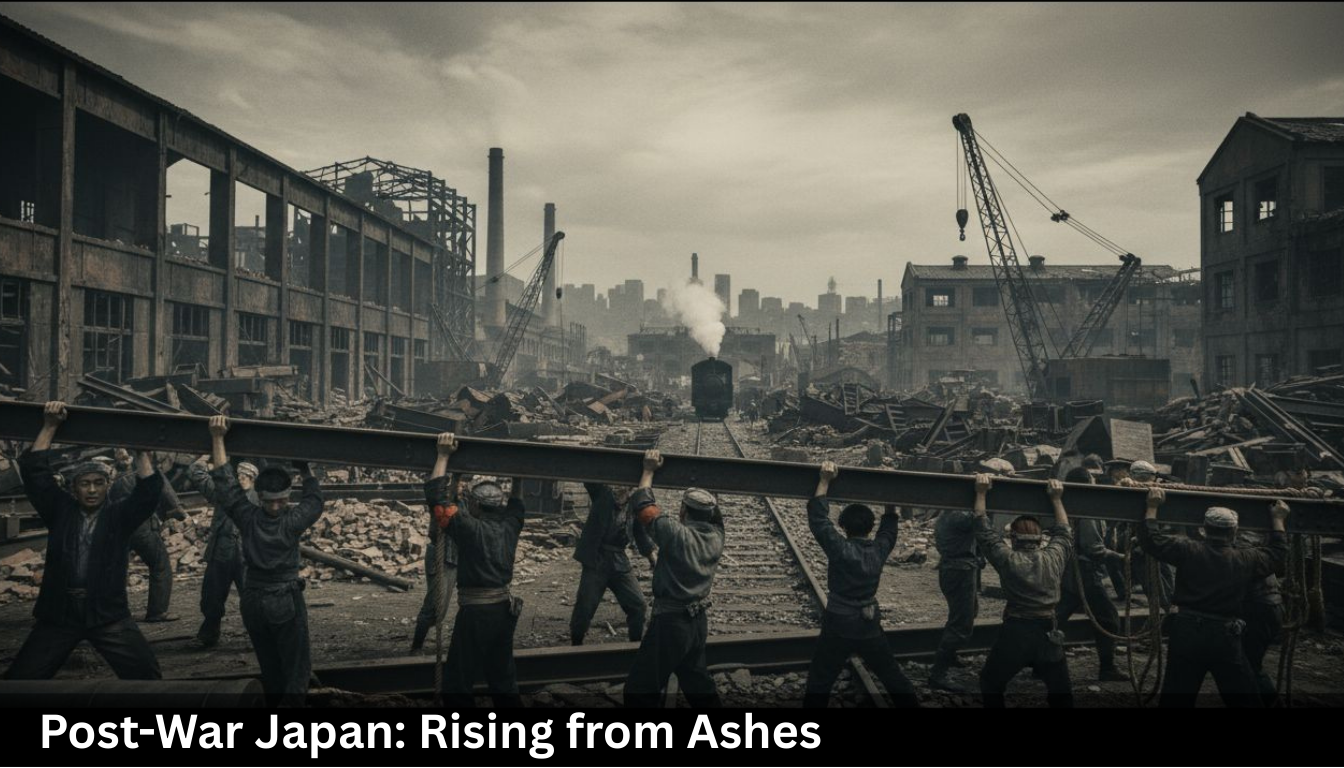
After the war, Japan was devastated. Resources were scarce, and transportation was a luxury most couldn’t afford. Honda looked at this problem and saw opportunity. The country needed affordable transportation, and he had the skills to provide it.
In 1946, Honda founded Honda Motor Company in a tiny wooden shack. His first product wasn’t a car or even a proper motorcycle. It was a motorized bicycle – essentially a regular bike with a small engine attached. People called it the “bata-bata” because of the noise it made.
“Success represents the 1% of your work which results from the 99% that is called failure” Soichiro Honda
This quote perfectly captures Honda’s mindset during those early days. Every failure was just another step toward success.
Honda’s Motorcycle Revolution: Conquering the Roads
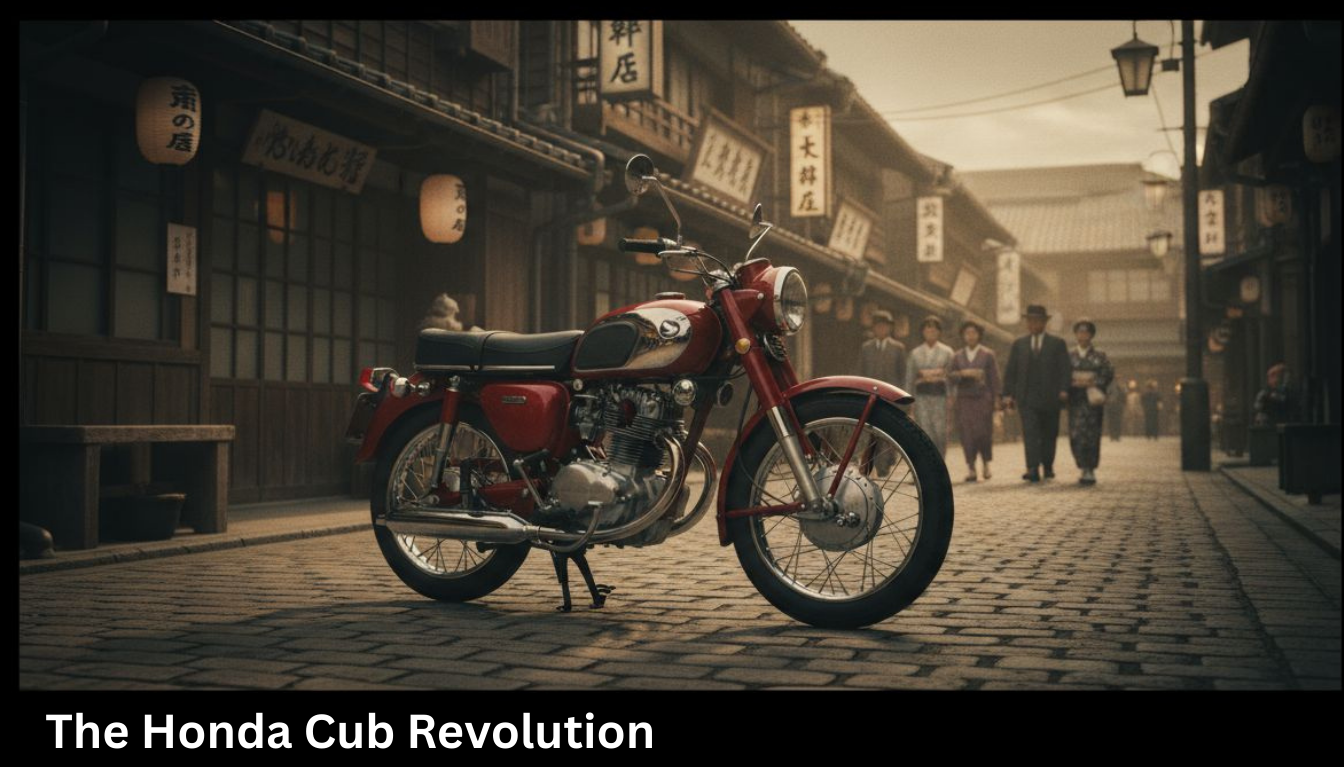
The real breakthrough came with the Honda Cub. Released in 1958, this wasn’t just a motorcycle – it was a transportation revolution. Honda designed it for everyone, not just motorcycle enthusiasts. The slogan “You meet the nicest people on a Honda” changed how people viewed motorcycles.
But let’s be honest – breaking into international markets wasn’t easy. American motorcycle culture was dominated by big, loud machines. Honda’s small, efficient bikes seemed out of place. Yet Honda persisted, believing that quality and reliability would eventually win over customers.
The American Dream: Honda Conquers the West
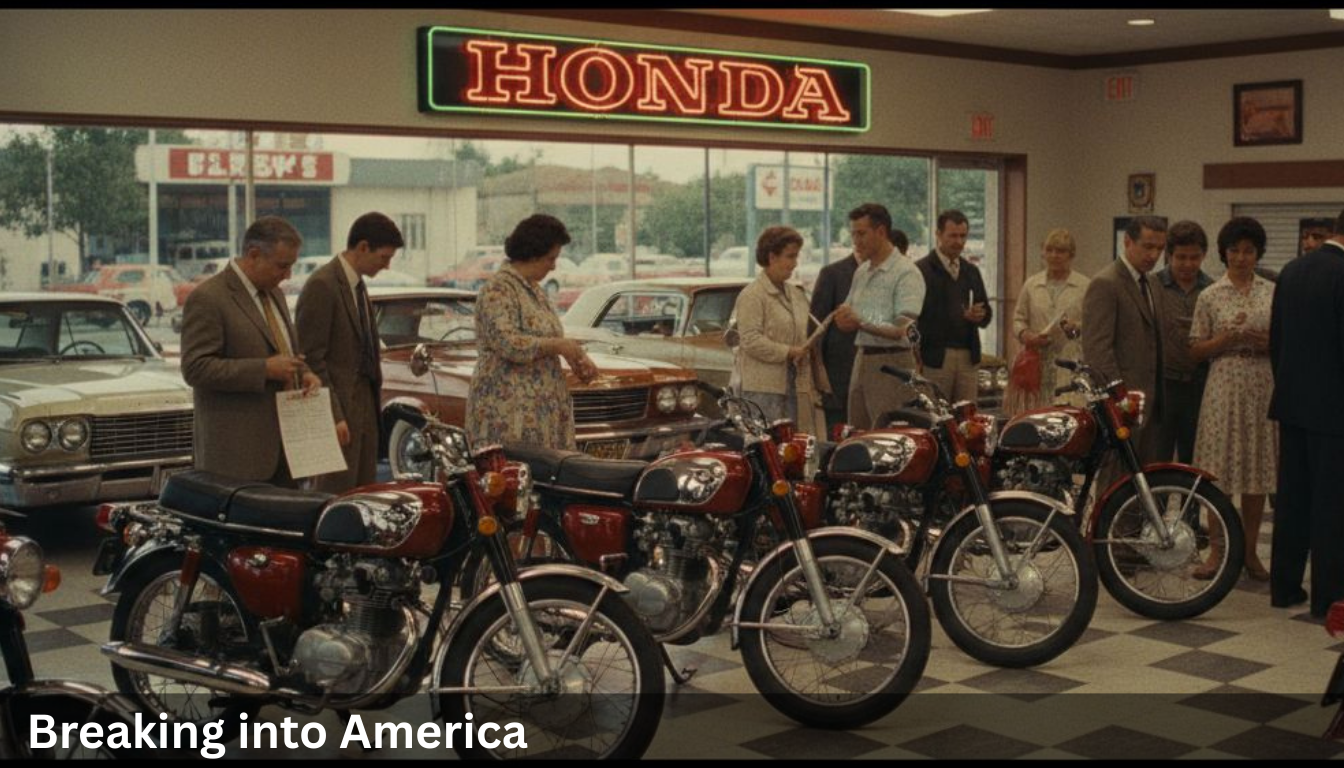
Honda’s entry into America is legendary. The company sent three young executives to
Los Angeles with a simple mission: sell Honda motorcycles. They had limited funds, a small apartment, and big dreams.
Initially, they focused on selling larger motorcycles to compete with Harley-Davidson. But these bikes kept breaking down in American conditions. Frustrated and nearly broke, they started riding their personal Honda 50cc bikes around town. People began asking where they could buy these small, reliable machines.
Honda’s American Market Strategy (1959-1965)
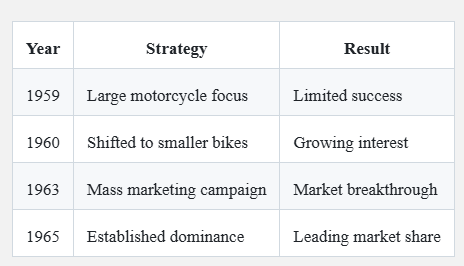
This accidental discovery led to Honda’s American success. Sometimes the best strategies aren’t planned, they’re discovered through persistence and adaptability.
The Honda Philosophy: More Than Just Machines
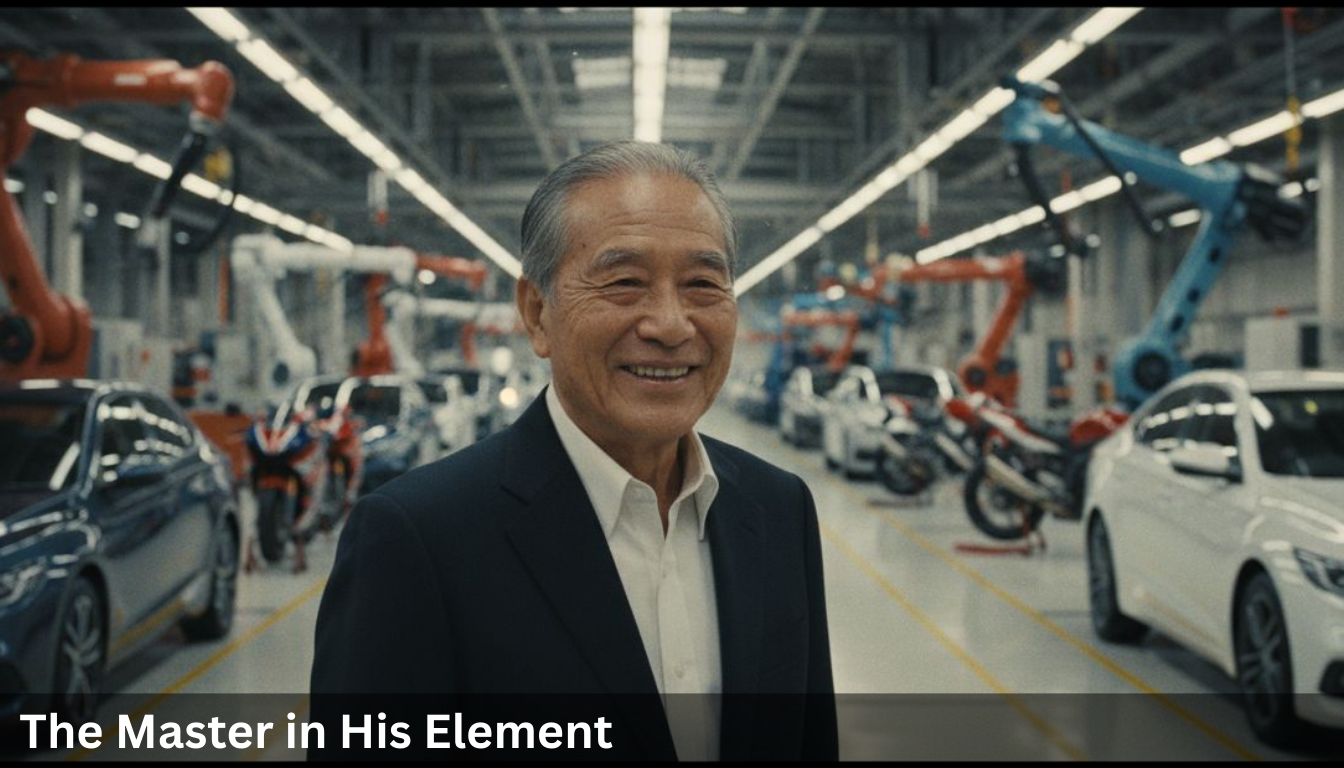
Image Position 7: Soichiro Honda in his later years, smiling in a modern Honda facility
What made Honda special wasn’t just the machines he built. It was his philosophy. Honda believed in challenging conventional wisdom, taking calculated risks, and never accepting “good enough.”
He famously said, “Success is 99% failure,” and lived by this principle throughout his career. Every setback was a learning opportunity, every failure a stepping stone to something better.
Honda’s Three Joys Philosophy
Honda’s business philosophy centered on three core principles:
- Joy of Buying: Creating products customers love to purchase
- Joy of Selling: Ensuring dealers and partners succeed
- Joy of Manufacturing: Finding fulfillment in creating quality products
This wasn’t just corporate speak – Honda genuinely believed business should bring joy to everyone involved.
Honda’s Automotive Adventure: From Motorcycles to Cars
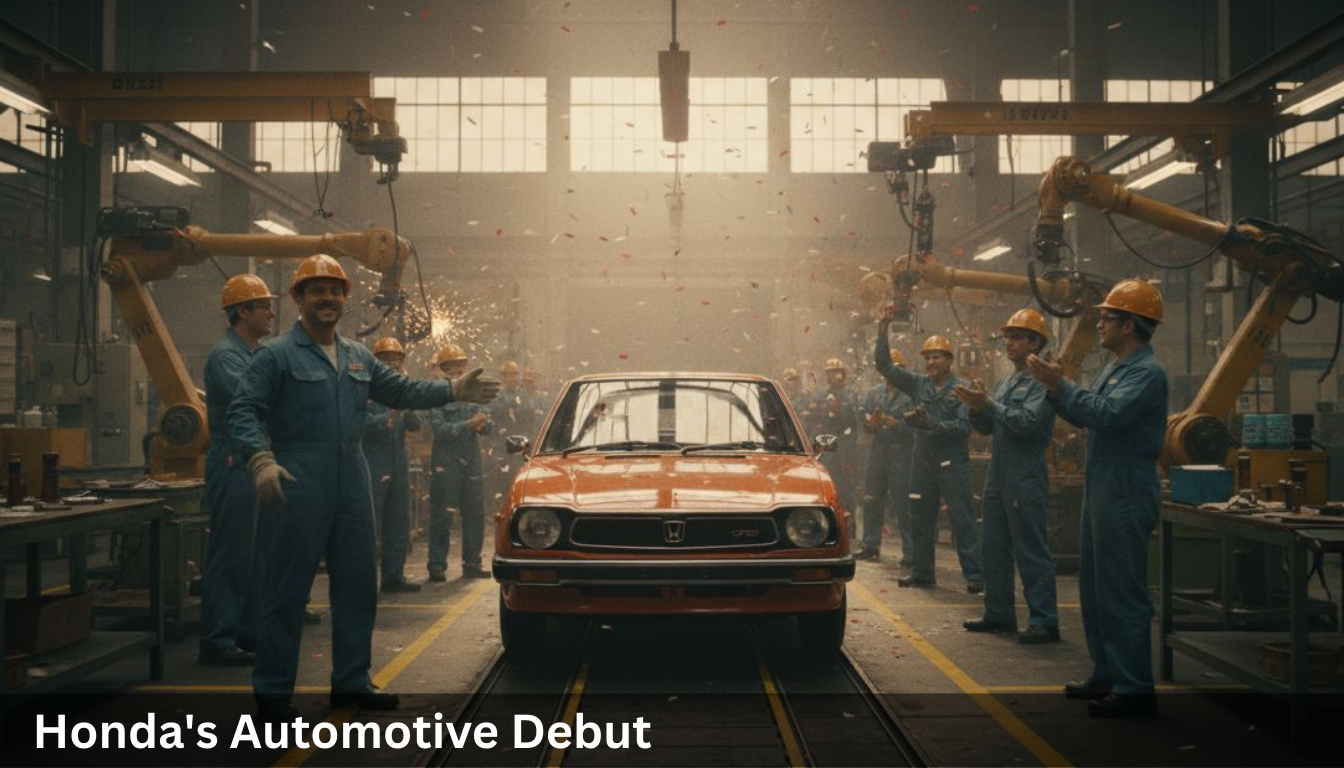
By the 1960s, Honda was the world’s largest motorcycle manufacturer. But Soichiro wasn’t content with motorcycles alone. Despite government discouragement and industry skepticism, Honda decided to enter the automotive market.
The Honda N360, released in 1967, marked Honda’s entry into cars. It was small, efficient, and affordable, typical Honda characteristics. But the real game-changer was the Honda Civic, launched in 1972.
The Civic arrived at the perfect time. The 1973 oil crisis made fuel efficiency crucial, and Honda’s small, economical cars suddenly became highly desirable. While other manufacturers struggled to adapt, Honda was already ahead of the curve.
“The value of life can be measured by how many times your soul has been deeply stirred.”Soichiro Honda.
Global Expansion: Honda’s Worldwide Domination
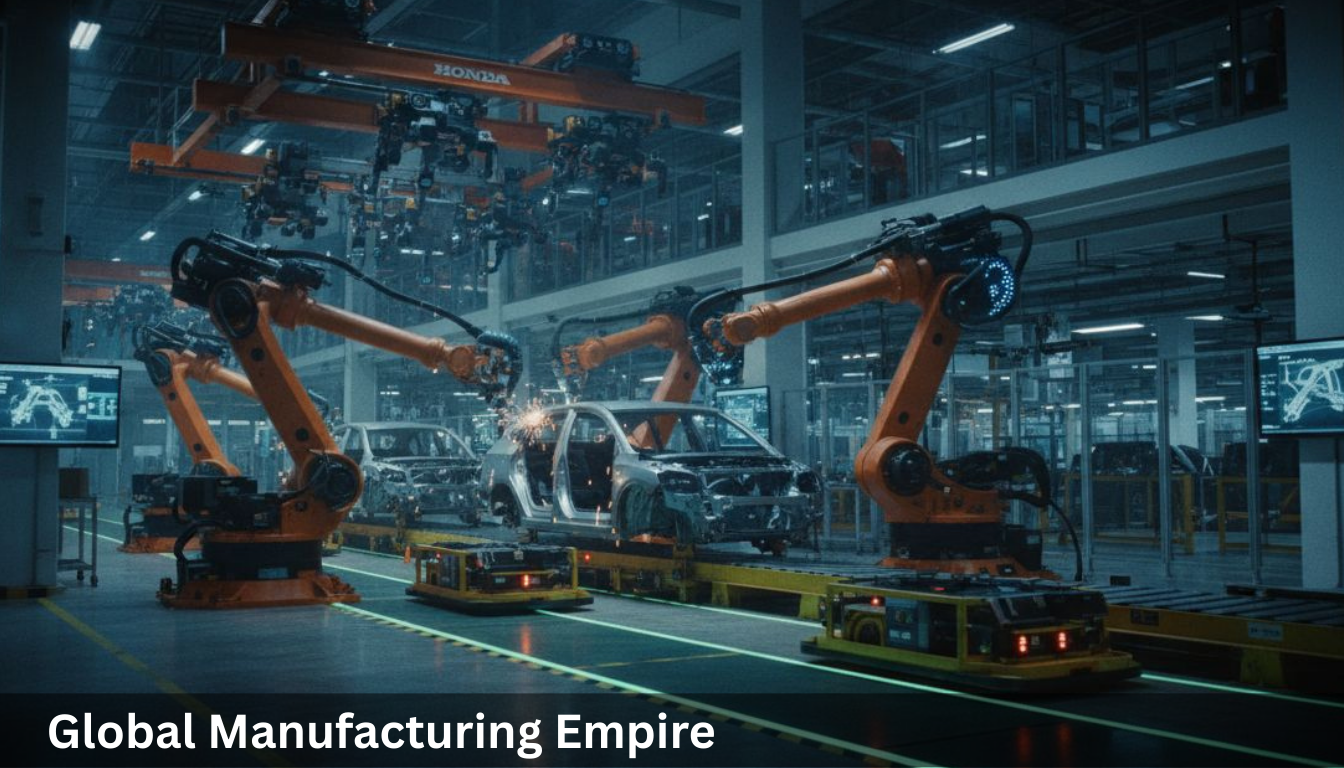
Honda’s global expansion wasn’t just about selling products worldwide. It was about understanding local markets and adapting accordingly. Honda didn’t just export Japanese cars – they built local manufacturing plants, hired local workers, and became part of local communities.
This strategy proved incredibly successful. Today, Honda operates in over 30 countries, with manufacturing plants on every continent. The company that started in a wooden shack now employs hundreds of thousands of people worldwide.
Honda’s Innovation Legacy
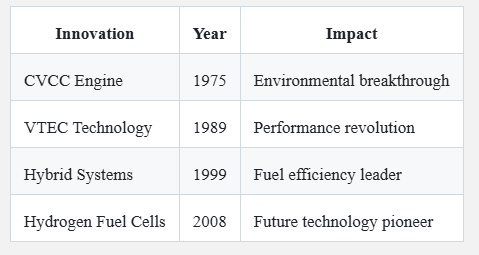
Honda’s commitment to innovation never wavered. From the first CVCC engine that met clean air standards without catalytic converters to today’s hybrid and hydrogen technologies, Honda continues pushing boundaries.
Honda’s Major Innovations Timeline
The Personal Side of Honda: Man Behind the Machine
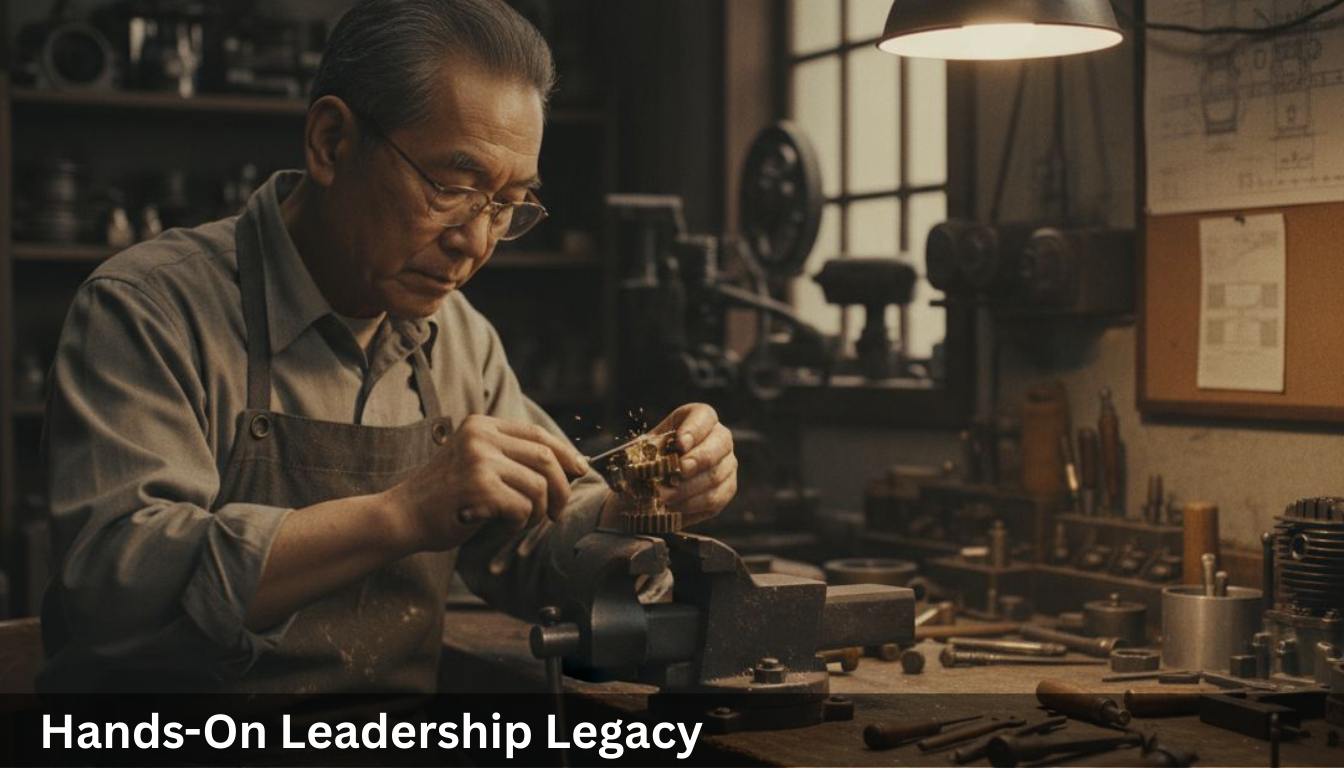
Despite building a global empire, Soichiro Honda remained remarkably humble. He preferred working in the factory to sitting in boardrooms. Even as company president, he’d often be found on the production floor, sleeves rolled up, working alongside employees.
Honda believed in leading by example. He never asked employees to do something he wouldn’t do himself. This hands-on approach created incredible loyalty and respect throughout the organization.
His retirement speech in 1973 was characteristically humble: “I started Honda to realize my dream. That dream has been realized beyond my wildest expectations.”
Honda Today: Continuing the Legacy
Honda’s influence extends far beyond transportation. The company’s generators power homes during disasters, their marine engines propel boats worldwide, and their robotics division creates helpful humanoid assistants.
But perhaps Honda’s greatest legacy is the proof that with persistence, innovation, and genuine care for customers, any dream is achievable. The boy who started with bicycle repairs built something that touches millions of lives daily.
Lessons from Honda’s Journey
What can we learn from Soichiro Honda’s incredible rise? Several key principles emerge:
Never Give Up on Your Dreams
Honda faced countless rejections and setbacks. Toyota initially rejected his piston rings. The Japanese government discouraged his entry into automotive manufacturing. Yet he persisted, believing in his vision when others couldn’t see it.
Embrace Failure as Learning
Honda’s famous quote about success being 99% failure wasn’t just motivational speak – it was his lived experience. Every failure taught him something valuable that contributed to eventual success.
Focus on Customer Needs
Honda succeeded because he understood what people really needed: reliable, affordable, efficient transportation. He didn’t build what he wanted to build; he built what the market needed.
Stay Hands-On
Even as Honda grew into a global corporation, Soichiro remained connected to the actual work. This kept him grounded and helped maintain the company’s innovative culture.
Honda’s Impact on Society
Honda’s influence extends beyond business success. The company’s commitment to environmental responsibility has pushed the entire automotive industry toward cleaner technologies. Their safety innovations have saved countless lives. Their reliability has made transportation accessible to millions who couldn’t afford it otherwise.
“Racing improves the breed.” — Soichiro Honda
This philosophy drove Honda to compete in racing, not for glory, but to improve their products. Lessons learned on the track found their way into consumer vehicles, benefiting everyone.
The Future Through Honda’s Eyes
If Soichiro Honda were alive today, he’d probably be amazed by electric vehicles, autonomous driving, and connected technologies. But he’d also be pushing his engineers to think even bigger, to solve problems that haven’t been identified yet.
Honda’s current focus on hydrogen fuel cells, electric vehicles, and advanced safety systems continues his legacy of innovation. The company isn’t just adapting to change – they’re driving it.
FAQ: Understanding Honda’s Success
Q: What made Honda different from other motorcycle manufacturers?
A: Honda focused on reliability and ease of use rather than just power. They made motorcycles for everyone, not just enthusiasts.
Q: How did Honda succeed in America when other Japanese companies struggled?
A: Honda adapted their strategy based on actual market feedback. When large motorcycles failed, they pivoted to smaller, more reliable machines that Americans actually wanted.
Q: What was Honda’s biggest challenge in building cars?
A: The Japanese government and established automakers didn’t want Honda entering the car business. Honda persisted despite official discouragement and industry skepticism.
Q: How does Honda maintain innovation today?
A: Honda continues investing heavily in research and development, maintaining Soichiro’s philosophy of constant improvement and willingness to challenge conventional thinking.
Stay inspired with timeless lessons from Soichiro Honda’s, a visionary who transformed ideas into reality and challenged the limits of imagination. Learn how his story of innovation, courage, and persistence can guide you in pursuing your own bold ideas.
Inspiration for Bold Ideas
Stay inspired with timeless lessons from Soichiro Honda’s, a visionary who transformed ideas into reality and challenged the limits of imagination. Learn how his story of innovation, courage, and persistence can guide you in pursuing your own bold ideas.
Discover more inspiring stories, practical insights, and motivational content on the Careerizo Blog or follow our Facebook page for regular updates.